
led illuminated mirror
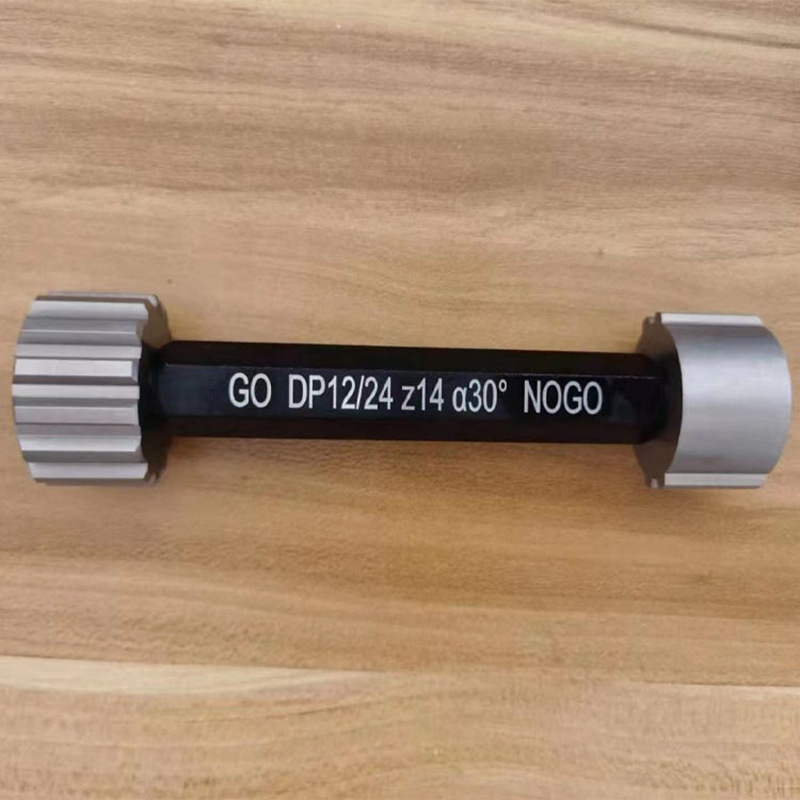
In the realm of precision machining, accurate measurement of bore diameters is of paramount importance. As a wholesaler, understanding the types of bore gauge available is crucial for meeting the diverse needs of customers. Plug gauge and plain plug gauge , in particular, are essential tools in this regard. Storaen (Cangzhou) International Trading Co. specializes in providing high - quality bore gauges that are reliable, precise, and suitable for a wide range of machining applications. This article will delve into the various types of bore gauge , explore the characteristics of plug gauge and plain plug gauge , and explain how Storaen (Cangzhou) International Trading Co. supports customers with top - notch products and services. Types of Bore Gauge: An Overview of Precision Measuring Tools Importance in Precision Machining Ensuring Dimensional Accuracy : In precision machining, even the slightest deviation in bore dimensions can lead to significant issues in the final product. Bore gauges are used to verify that the diameter of holes or bores in workpieces meets the specified tolerances. For example, in the manufacturing of engine cylinders, precise bore measurements are essential to ensure proper piston fit, which directly impacts engine performance and efficiency. Using accurate types of bore gauge helps manufacturers avoid costly rework, scrap, and potential product failures. Quality Control and Standard Compliance : Bore gauges play a vital role in quality control processes. By regularly measuring bore diameters, manufacturers can ensure that their products comply with industry standards and customer specifications. This is especially important in sectors such as aerospace, automotive, and medical device manufacturing, where strict quality requirements are non - negotiable. Storaen (Cangzhou) International Trading Co. understands the significance of accurate bore measurements and offers bore gauges that enable customers to maintain high - quality production standards. Classification of Bore Gauges Mechanical Bore Gauges : These are traditional bore gauges that operate based on mechanical principles. They often use components such as plungers, levers, and indicators to measure bore diameters. Mechanical bore gauges are known for their simplicity, durability, and relatively low cost. Examples include dial bore gauges and vernier bore gauges, which are widely used in various machining applications. Electronic Bore Gauges : Electronic bore gauges utilize advanced sensor technology and digital displays to provide highly accurate and precise measurements. They can offer features such as data storage, automatic calculations, and the ability to interface with computer systems for data analysis. These gauges are ideal for applications that require high - precision measurements and quick data processing, such as in research and development or high - end manufacturing. Optical Bore Gauges : Optical bore gauges use optical principles, such as laser beams or imaging systems, to measure bore diameters. They offer non - contact measurement capabilities, which can be beneficial when measuring delicate or soft materials that could be damaged by contact - based gauges. Optical bore gauges are often used in applications where high accuracy and repeatability are required, such as in the production of precision optical components. Table: Comparison of Different Types of Bore Gauges Type of Bore Gauge Principle of Operation Advantages Disadvantages Mechanical Bore Gauge Mechanical components (plungers, levers, indicators) Simple, durable, cost - effective Limited precision compared to electronic/optical gauges Electronic Bore Gauge Advanced sensor technology, digital displays High accuracy, data storage, automatic calculations Higher cost, may require calibration Optical Bore Gauge Optical principles (laser beams, imaging systems) Non - contact measurement, high accuracy Complex, expensive, may be affected by environmental factors Plug Gauge: A Fundamental Bore Measuring Tool Design and Function Basic Structure : A plug gauge is a cylindrical measuring tool with a precisely manufactured diameter. It consists of a handle and a measuring portion, which is the cylindrical part that is inserted into the bore being measured. The diameter of the measuring portion is accurately machined to match the specified size of the bore, either the minimum (go - gauge) or maximum (no - go gauge) allowable dimension. Measurement Principle : The operation of a plug gauge is based on the principle of go/no - go measurement. The go - gauge is designed to fit into the bore if the bore diameter is at or above the minimum specified size. If the go - gauge does not fit, it indicates that the bore is undersized. Conversely, the no - go gauge should not fit into the bore if the bore diameter is within the specified tolerance range. If the no - go gauge fits, it means the bore is oversized. This simple yet effective method allows for quick and reliable verification of bore dimensions. Applications in Precision Machining Mass Production : In mass production settings, plug gauge are widely used for rapid inspection of large quantities of workpieces. For example, in the manufacturing of automotive parts such as engine blocks or transmission housings, plug gauge can quickly determine whether the bores meet the required specifications. This helps in maintaining production efficiency by identifying defective parts early in the process and reducing the need for more time - consuming and expensive measurement techniques. Quality Assurance : Plug gauge are an essential part of quality assurance processes in precision machining. They are used to verify the accuracy of machining operations, such as drilling, reaming, or boring. By regularly using plug gauge to check bore diameters, manufacturers can ensure that their production processes are in control and that the final products meet the desired quality standards. Storaen (Cangzhou) International Trading Co. offers a variety of plug gauge with different sizes and accuracies to meet the diverse quality assurance needs of customers. Plain Plug Gauge: A Specialized Variant of Plug Gauge Distinctive Features Simplified Design : A plain plug gauge is a type of plug gauge with a straightforward design. It typically has a uniform cylindrical shape without any additional features or markings on the measuring portion, other than possible size indications. This simplicity makes it easy to manufacture, use, and maintain. The lack of complex features also reduces the risk of damage or wear, contributing to its long - term accuracy and reliability. High Precision Manufacturing : Despite its simple design, plain plug gauge are manufactured with extremely high precision. The diameter of the measuring portion is machined to tight tolerances, often within a few micrometers. This high level of precision is crucial for accurately measuring the bore diameters in precision machining applications where even minute deviations can have significant consequences. Storaen (Cangzhou) International Trading Co. sources plain plug gauge from manufacturers who adhere to strict quality control measures to ensure the highest level of accuracy in every gauge. Specific Use Cases Interchangeable Parts Manufacturing : In industries where interchangeable parts are produced, such as the aerospace and electronics industries, plain plug gauge are extensively used. These gauges help ensure that parts from different production batches or manufacturers can be easily assembled without issues related to bore size discrepancies. For example, in the production of electronic connectors, plain plug gauge are used to verify the bore diameters of the holes that receive pins, ensuring a proper fit and reliable electrical connection. Small - Scale and Delicate Machining : Plain plug gauge are also well - suited for small - scale and delicate machining applications. Their simple and compact design allows them to be used in tight spaces and for measuring small - diameter bores. In the manufacturing of precision instruments, watch components, or medical implants, where the dimensions of bores are often very small and require high - precision measurement, plain plug gauge offer a practical and accurate solution. Types of Bore Gauge FAQ S How do I choose the right types of bore gauge for my machining application? Choosing the right types of bore gauge depends on several factors. First, consider the required accuracy of the measurement. For high - precision applications, electronic or optical bore gauges may be more suitable, as they can provide more accurate and precise readings. If cost and simplicity are priorities, mechanical bore gauges like dial or vernier gauges could be a good choice. The size of the bore to be measured also matters; some gauges are designed for small - diameter bores, while others are suitable for larger ones. Additionally, the nature of the workpiece material and the production volume should be taken into account. For mass production, plug gauge can offer quick go/no - go measurements, while for complex or delicate parts, more specialized gauges may be needed. Storaen (Cangzhou) International Trading Co. can provide expert advice based on your specific machining application to help you select the most appropriate bore gauge. What is the difference between a plug gauge and a plain plug gauge? A plug gauge is a general term for a cylindrical measuring tool used for go/no - go measurement of bore diameters. It can come in various designs, with some having additional features such as stepped sections for measuring multiple diameters or markings for identification. On the other hand, a plain plug gauge is a more specialized type of plug gauge with a simple, uniform cylindrical shape. It lacks complex features and is primarily characterized by its high - precision manufacturing of the cylindrical measuring portion. Plain plug gauge are often used in applications where a straightforward, highly accurate go/no - go measurement of a single bore diameter is required, especially in industries that demand precision and simplicity, such as aerospace and electronics manufacturing. Storaen (Cangzhou) International Trading Co. offers both types of gauges, each with its own set of advantages for different machining scenarios. How often should I calibrate my bore gauges? The calibration frequency of bore gauges depends on several factors, including the frequency of use, the criticality of the measurements, and the environmental conditions in which the gauges are used. For bore gauges that are used frequently in high - precision machining applications, it is recommended to calibrate them at least once every three to six months. If the gauges are used in harsh environments, such as those with high humidity, temperature fluctuations, or exposure to contaminants, more frequent calibration may be necessary. Additionally, if a bore gauge has been dropped, damaged, or shows signs of inaccurate measurements, it should be calibrated immediately. Storaen (Cangzhou) International Trading Co. can assist customers with calibration services and provide guidance on the appropriate calibration schedule for their specific bore gauges to ensure continued accuracy and reliability. Can plug gauge be used for measuring non - circular bores? Plug gauge are primarily designed for measuring circular bores. Their cylindrical shape and go/no - go measurement principle are based on the assumption of a circular cross - section. Measuring non - circular bores, such as oval or irregularly shaped holes, with a plug gauge would not provide accurate results, as the gauge would not fit properly or provide meaningful information about the bore's dimensions. For non - circular bores, other types of measuring tools, such as profile gauges or coordinate measuring machines (CMMs), are more suitable. These tools can accurately measure the complex shapes and dimensions of non - circular bores. Storaen (Cangzhou) International Trading Co. offers a range of measuring tools for different types of bore shapes to meet the diverse needs of precision machining customers. What should I do if my plain plug gauge shows inconsistent measurements? If your plain plug gauge shows inconsistent measurements, the first step is to check for any visible damage or wear on the gauge. Look for scratches, dents, or signs of corrosion on the cylindrical measuring portion, as these can affect the accuracy of the measurements. If there is damage, the gauge may need to be repaired or replaced. Next, ensure that the gauge is being used correctly. Make sure the workpiece is clean and free of debris, and that the gauge is inserted into the bore properly, without applying excessive force. If the problem persists, it may be necessary to have the gauge calibrated by a professional. Storaen (Cangzhou) International Trading Co. offers calibration services and can help diagnose and resolve issues with inconsistent measurements to ensure that your plain plug gauge provides accurate and reliable results. In precision machining, the types of bore gauge available play a crucial role in ensuring dimensional accuracy, quality control, and compliance with industry standards. Plug gauge and plain plug gauge , in particular, are essential tools for quickly and accurately measuring bore diameters. Storaen (Cangzhou) International Trading Co. stands as a reliable wholesaler, offering a diverse range of high - quality bore gauges, including various types of bore gauge , plug gauge , and plain plug gauge . With a focus on quality assurance, customization options, and excellent customer support, the company enables customers in the precision machining industry to find the perfect bore gauges for their specific needs. By understanding the different types of bore gauges and their applications, and by choosing products from a trusted supplier like Storaen (Cangzhou) International Trading Co., manufacturers can enhance their production processes, improve product quality, and stay competitive in the global market.
about
led illuminated mirror
Understanding Plug Gauges and Ring Gauges Definition, Usage, and Importance In the realm of manufacturing and engineering, precision is paramount. The ability to produce components that meet exact specifications is essential for the functionality and durability of machines and structures. In this context, tooling and measuring instruments play a vital role, and among these, plug gauges and ring gauges are critical tools for quality assurance. What are Plug Gauges? Plug gauges, often referred to as go/no-go gauges, are used to measure the internal diameters of holes, ensuring that they meet specified tolerances. These gauges come in sets, typically including a go gauge and a no-go gauge. The go gauge is designed to fit into the hole if it meets the minimum size requirement, while the no-go gauge should not pass into the hole if it exceeds the maximum allowable size. For example, if a hole is intended to be 10mm in diameter, a 10mm go plug gauge would fit perfectly. Conversely, a 10.1mm no-go plug gauge would not fit, indicating that the hole is too large. This simple yet effective mechanism allows manufacturers to quickly assess whether their products fall within specified tolerances, thus ensuring quality control throughout the production process. What are Ring Gauges? Ring gauges serve a similar purpose but are applied to external features, particularly the external diameters of shafts and similar components. Like plug gauges, ring gauges also come in go and no-go configurations. The go ring gauge must slide over the diameter of the shaft with ease, confirming it meets the minimum size requirement, while the no-go gauge must not fit, signaling an oversized component. An example would be a shaft meant to have a diameter of 20mm. The 20mm go ring gauge should fit snugly, while a 20.1mm no-go ring gauge would fail to pass, indicating that the shaft is out of specification. This dual-format capability of ring gauges facilitates thorough quality checks for precision mechanical components. Importance of Plug and Ring Gauges The importance of plug and ring gauges cannot be overstated in the manufacturing landscape. Their role in ensuring dimensional accuracy is crucial for various reasons 1. Quality Assurance Gauges help manufacturers maintain high standards of precision. This is vital for industries where tolerance levels are critical, such as aerospace, automotive, and medical devices. plug gauge and ring gauge 2. Cost Efficiency Ensuring components are produced within tolerance reduces waste and rework, leading to significant cost savings. Using gauges effectively minimizes the risk of defective parts entering the supply chain. 3. Interchangeability Standardized components are essential for assembly lines where parts must fit together seamlessly. Plug and ring gauges help ensure that parts made by different manufacturers can be interchanged without issues. 4. Compliance and Certification Many industries are subject to regulatory standards that dictate acceptable tolerances for components. Plug and ring gauges help manufacturers demonstrate compliance with these standards, easing the process of certification. Best Practices for Using Plug and Ring Gauges To maximize the effectiveness of plug and ring gauges, manufacturers should adhere to certain best practices - Calibration Regular calibration of gauges ensures their accuracy and reliability. Factors such as wear and environmental changes can affect measurements over time. - Proper Handling Gauges should be handled with care. Avoid dropping or exposing them to harsh environments that could compromise their integrity. - Periodic Inspection Consistent inspection of gauging tools can prevent the use of worn or damaged gauges, thereby maintaining the quality of the products being manufactured. - Training Ensuring that personnel are trained in the proper use of gauges is crucial for effective quality control processes. Conclusion In summary, plug gauges and ring gauges are indispensable tools in the manufacturing sector, helping to ensure that components meet stringent dimensional standards. Their role in quality assurance, cost efficiency, and compatibility across components is crucial in today's precision-driven industries. By adhering to best practices in their use and maintenance, manufacturers can guarantee the accuracy and reliability of their products, thereby upholding their commitment to quality and customer satisfaction.
-

High quality industrial productsagement

High quality industrial products
View Details -

Meet the diverse needs of customers

Meet the diverse needs of customers
View Details -

Strict quality control

Strict quality control
View Details -

Top raw materials

Top raw materials
View Details -

Trusted supplier

Trusted supplier
View Details
Our application


news and information
vratový ventil z oceli
Ocelové klapky Klíčový prvek v průmyslových aplikacích Ocelové klapky, známé také jako klapkové vent
Vanne papillon 15 mm - Performances et applications
La vanne papillon de 15 mm est un élément essentiel dans le domaine de la régulation des fluides. Gr
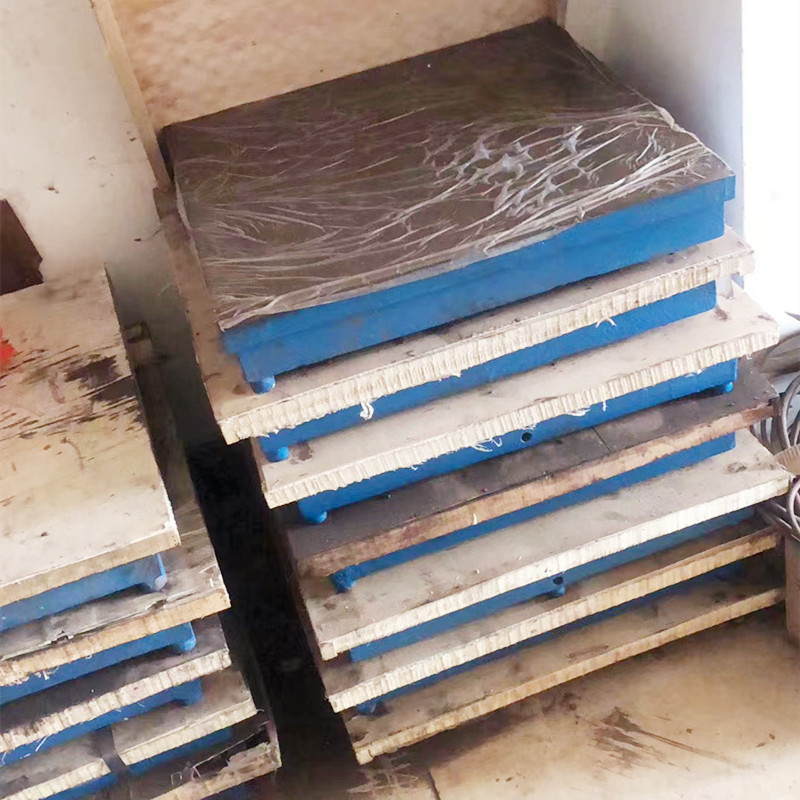
Versatile Welding Table for On-the-Go Fabrication and Efficient Workspace Solutions
The Versatility and Importance of Portable Welding Tables In the world of welding, precision and con
 English